Have you ever seen a Japanese character? You may not know this but Japan has 3 writing systems, Hiragana, Katakana, and Kanji. They all are used in the everyday life in Japan. Katakana is used mostly for words that other countries uses like American, Hamburger, pizza, etc. but don’t really have a word for it in Japanese. Japanese people also use this to learn to speak English. They form the characters so they can try pronounce it in English. For example, coffee is written コーヒー in Katakana but not Hiragana. The romaji for コーヒー is koohii, pronouncing it like coohee, you have to extend the o and e a bit, not koohi.
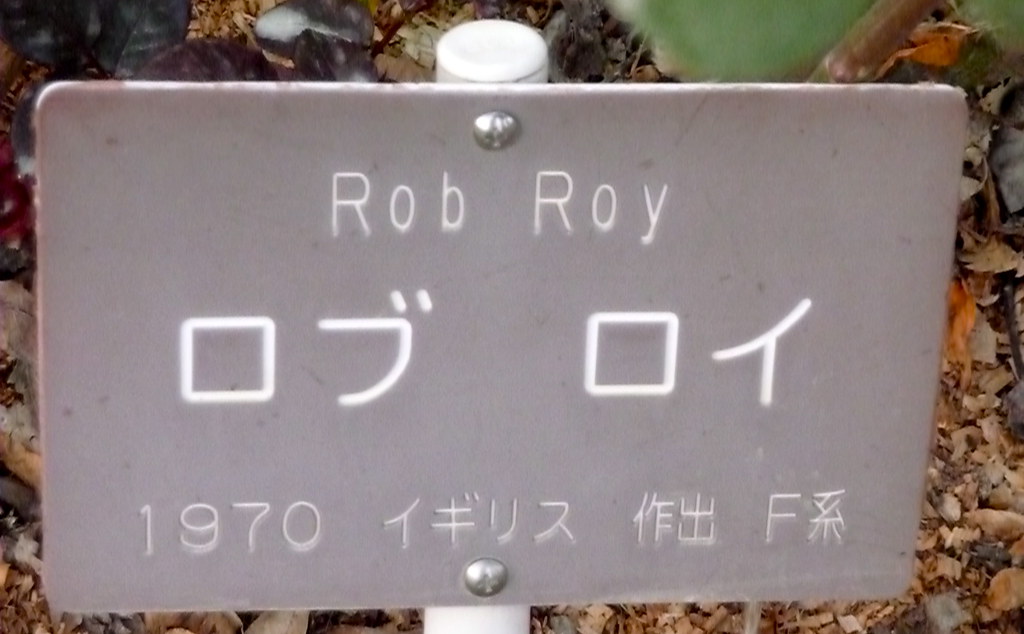
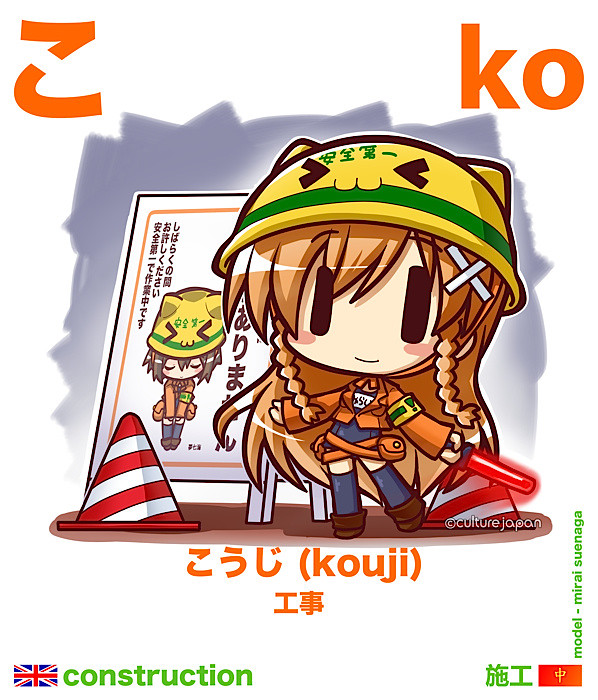
Hiragana is also used but mostly with Kanji to form sentences for grammar, participles, verbs. They can be used on their own but writing it can be tiring and long. It’s also more commonly used with children in elementary school before they start learning Kanji and for beginners trying to learn the language. Hiragana is the easiest to learn just because of the fact that there’s only 46 characters to learn and are not hard to write compared to Kanji. Katakana is little different to Hiragana only because of the writing. They both have the same romaji spelling. コ this meaning ko in Katakana and こ being in Hiragana.
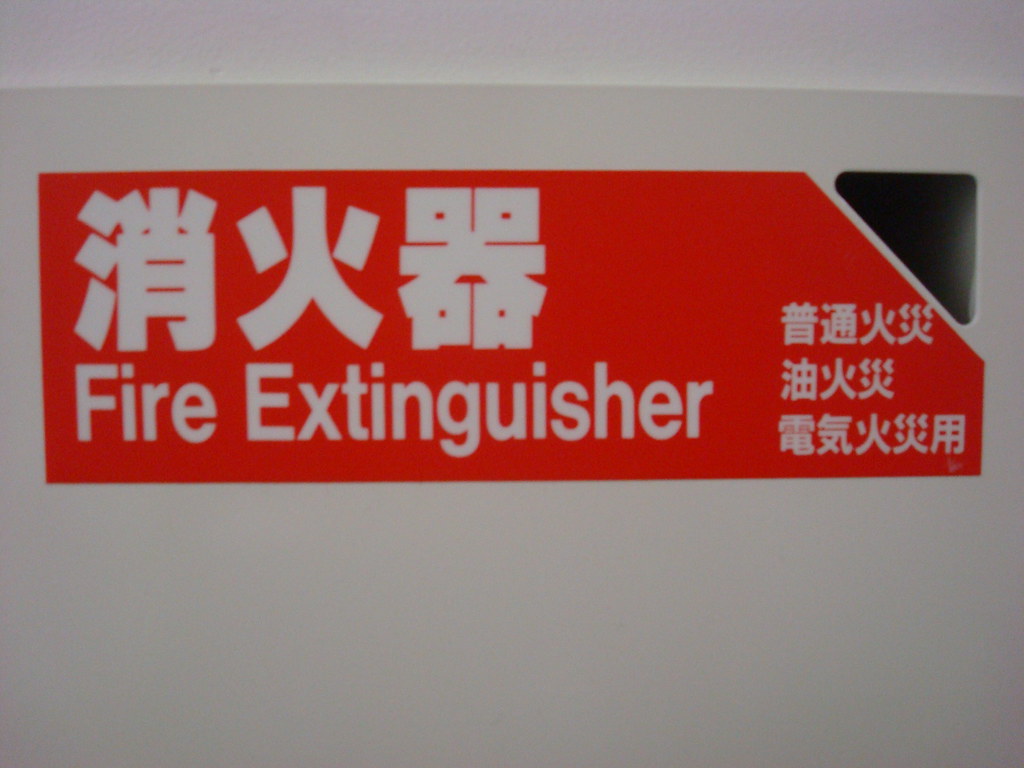
Kanji and Hiragana can be used together to form words in a sentence. Kanji helps make sentences more shorter, compared to using only Hiragana. Kanji only has 2,136 characters and there job is to help make writing more easier. Also making it more conveniently used for almost everything like products, store signs and etc. Kanji are actually from the Chinese characters and they took them and change them to fit with their language with some of them being kept the meaning the same for both languages. Kanji is difficult to write and learn being that there so many characters and they all have more than one meaning depending which one kanji you decide to putted by. Not even the Japanese people know how to write most of them. For example, one kanji could mean food. Depending on the second kanji you decide to put it with it could change the word from food to cafeteria or dining hall, as log it’s related to that kanji in some way. If you like to know more about kanji click here.
 Exploring the Japanese Culture